
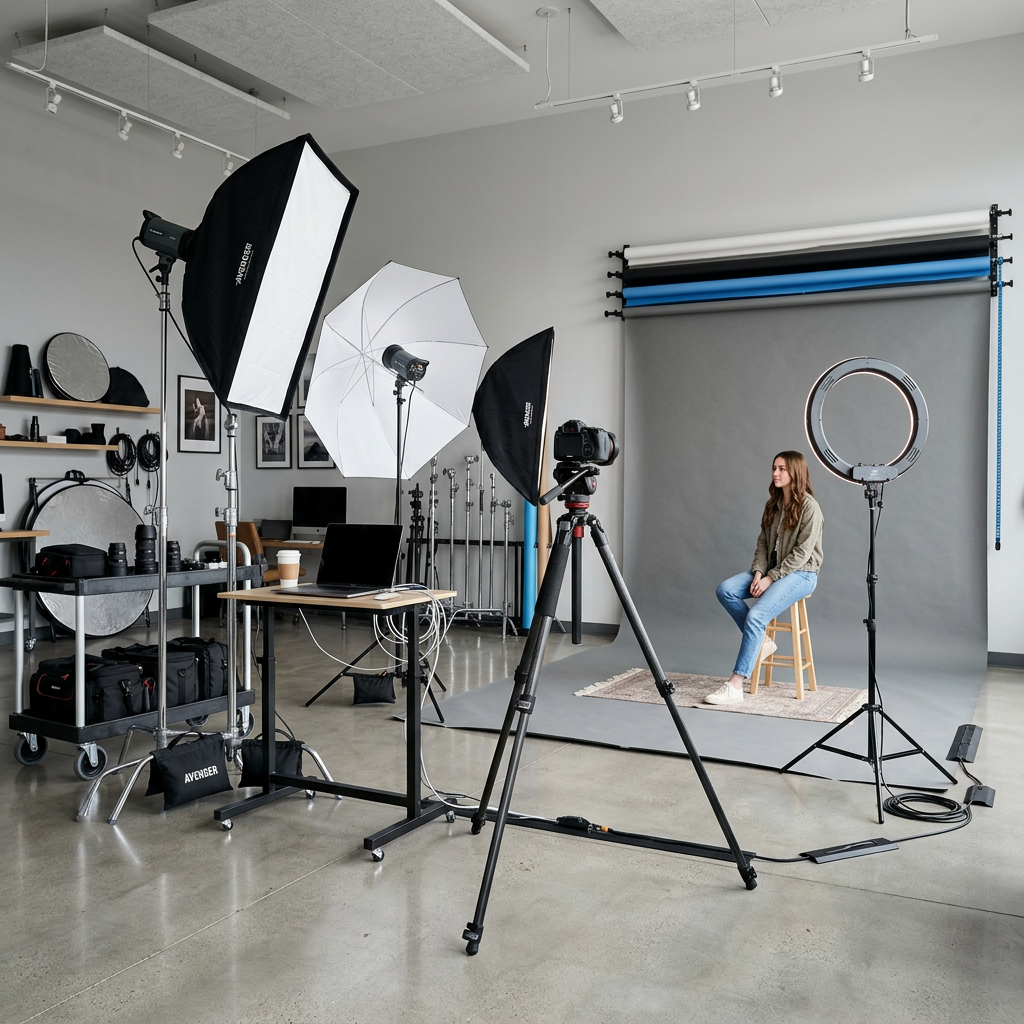
What to Look for When Renting a Photo Studio or Shoot Location
Renting a location for your shoot? Here are the 8 things you should check before booking — from lighting and ceiling height to parking and cancellation policies.
The right location can elevate a shoot. The wrong one can derail it. Before you book a studio or shoot space, here's exactly what to evaluate.
1. Lighting — The Most Important Factor
Nothing affects a photo or video more than light. Before anything else, understand the space's lighting situation holistically — because your needs will vary depending on your shoot type.
Natural Light
Natural light is one of the most sought-after qualities in a studio space, but it's not universally better — it depends on your vision.
- Window direction matters: North-facing windows give soft, consistent, shadow-free light all day. South-facing windows are brighter but can be harsh mid-day. East- and west-facing windows offer beautiful golden-hour light but only at specific times.
- Window size and quantity: More glass = more flexibility.
- Time of day: If possible, visit the space at the same time you plan to shoot.
Artificial / Constant Light
For many shoots — especially controlled commercial work, headshots, and any video — artificial light is preferred or even essential.
- Does the studio have strobe outlets or powered light stands?
- Are continuous lights available for rent or included?
- Can you bring your own lighting gear without restriction?
Blackout Capability
If you want complete control over your light — no mixed color temperatures, no sun shifts, no shadows changing mid-session — blackout is a game-changer. Ask:
- Are there blackout blinds or curtains on all windows?
- Can the space be made fully dark during daylight hours?
- This is especially important for dramatic portrait work, product photography on seamless, and any video requiring consistent exposure.
2. Ceiling Height
For photography, ceiling height matters more than square footage. You need enough vertical clearance for:
- Umbrellas and softboxes on stands
- Full-length portraits without cramping
- Overhead angles (for product, flat lay, or drone-style shots)
Ideal minimum: 10–12 feet for most photography. Video and overhead work may need 15–20 feet.
3. Power Outlets and Electrical Capacity
Studio strobes, continuous lights, and multiple monitors can draw significant power. Ask:
- How many outlets are available and where?
- What's the amp rating? (15A is standard; 20A is better for heavy lighting setups)
- Is there a dedicated circuit for lighting equipment?
4. For Videographers: What to Ask
If you're shooting video, your checklist goes beyond what still photographers need:
- Soundproofing: Is the space acoustically treated or insulated from outside noise? Street noise, HVAC hum, or echoing walls can ruin otherwise great footage.
- Continuous lighting: Unlike strobes, video requires constant light sources. Are they available, included, or can you bring your own?
- Background options: Seamless paper, painted walls, or cyc walls (curved floor-to-ceiling) make a big difference for clean video production.
- Power redundancy: Running cameras, monitors, audio gear, and lights simultaneously demands reliable power. Confirm there are no tripped breakers mid-shoot.
- Internet connectivity: Live streaming, tethered monitoring, or on-set file transfers all require solid WiFi or ethernet.
5. WiFi and Connectivity
If you tether your camera to a laptop during the shoot — which many commercial photographers do — reliable WiFi or ethernet is essential.
6. What's Included vs. Extra
Ask explicitly what's included in the rental rate. The details here can make or break your budget and your shoot-day experience:
Equipment & Shooting Infrastructure
- Backdrops, seamless paper, and stands?
- Lighting equipment (strobes, softboxes, continuous lights)?
- Props or furniture (chairs, tables, posing stools)?
Talent & Crew Amenities
- Hair and makeup station(s) or a dedicated prep area with mirrors and proper lighting?
- Clothing racks for wardrobe changes?
- A private changing room or dressing area?
- Iron, steamer, or garment care tools?
Client Comfort & Hospitality
- A client lounge or waiting area separate from the shooting space?
- Bathrooms — how many, and are they private or shared with other tenants?
- A kitchen or kitchenette for the crew and talent?
- Refrigerator and prep area if you're bringing in catering or craft services?
- Designated area where outside food and beverages are permitted?
Logistics
- Parking — how many spots, is it included, or is it metered/street?
- Load-in access: freight elevator, loading dock, or ground-floor entry for gear-heavy productions?
- Storage space during the shoot for cases, bags, and extra equipment?
Some studios charge extra for each of these — know before you book.
7. Parking and Accessibility
For client-facing shoots (portraits, headshots), easy parking and a clear entrance make a big difference in the client experience. A stressed client who circled the block for 20 minutes isn't in the right headspace for photos.
For larger productions, also consider:
- Is there a garage door or roll-up entry? This is essential if you're bringing in oversized items — cars, motorcycles, large furniture, or set pieces that simply won't fit through a standard door.
- Clearance height: If you're driving a vehicle inside, confirm the garage door height accommodates it.
- Floor load rating: Heavy vehicles or equipment may require a reinforced floor — worth asking about before shoot day.
8. Cancellation and Flexibility Policies
Life happens — make sure you understand the studio's policies before you pay:
- What's the cancellation window for a full or partial refund?
- Is there a credit or rescheduling option, or do you forfeit the booking entirely?
- Same-day cancellations due to weather: If you're planning an outdoor or natural-light shoot, ask specifically what happens if conditions change the morning of. A good studio will have a clear policy.
- Illness or emergency: Know whether there's any flexibility — even a one-time credit policy is better than nothing.
- Rescheduling vs. cancelling: Some venues treat these differently — rescheduling may carry no fee, while cancellation does.
9. The Vibe — And What It Says About You
This one is easy to overlook, but it matters more than most people realize. The space you shoot in is an extension of your brand — and your clients will feel it from the moment they arrive.
Does It Reflect Your Brand?
Ask yourself honestly: does this space align with how you want to be perceived as a photographer or videographer?
- A sleek, minimalist loft with polished concrete floors and floor-to-ceiling windows signals a premium, editorial experience.
- A warm, curated space with vintage furniture and natural textures says something completely different.
- A no-frills warehouse with bare walls and exposed pipes? That can be exactly right — if that's your aesthetic and your clients expect it.
There's no wrong answer, but there is a wrong mismatch. A high-end brand photographer who charges $500/hr should probably not be meeting clients in a space that feels like a storage unit.
Location and Neighborhood
Where the studio sits matters, even if the interior is beautiful.
- Is it easy to find? A confusing address or an unmarked building creates friction before the shoot even starts.
- Is it in a safe area? If your clients — especially solo women — are arriving alone, they need to feel secure walking from their car to the door. An industrial area that's fine during the day can feel very different after dark.
- Does the building itself make an impression? The exterior sets expectations. A well-kept building in a walkable area communicates care and professionalism. A rundown exterior can make clients second-guess themselves before they walk in.
- Is there street appeal? Some clients will post about their shoot experience on social media. A beautiful building or a great-looking entrance becomes part of the content.
The Client Experience Question
Put yourself in your client's shoes and walk through the experience from the moment they park:
- Will they feel welcomed and comfortable, or confused and uncertain?
- Is the space clean, organized, and inviting?
- Will they feel pampered — like they're getting a premium experience — or is it purely functional?
- If it's a working studio with exposed gear and minimal decor, is that communicated upfront so expectations are set?
A gritty, utilitarian studio isn't a problem — as long as your clients know that's what they're getting and it fits the work you're doing together. The key is alignment: the space, your brand, and your client's expectations should all be telling the same story.
Spending 15 minutes evaluating these factors before booking saves hours of frustration on shoot day.
Keep reading
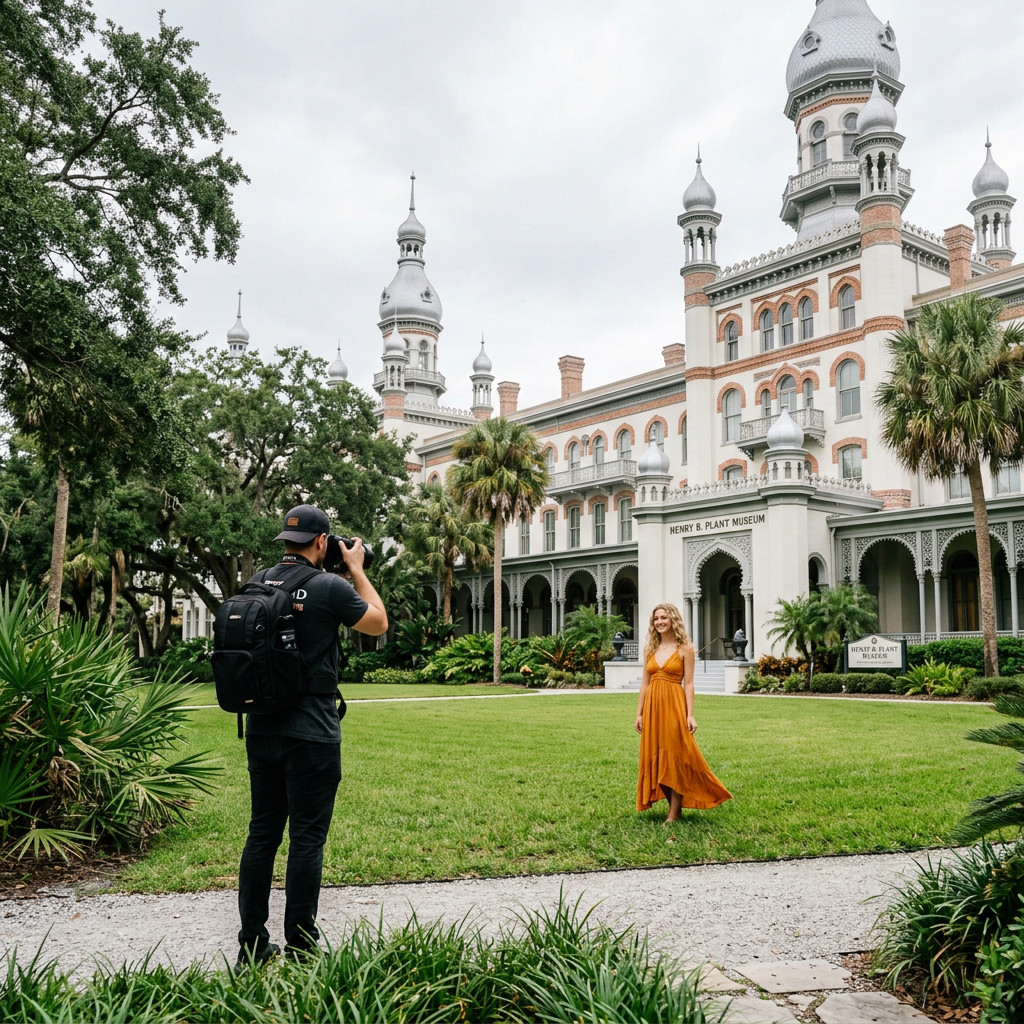
Best Photography Locations in Tampa, Florida
Tampa offers diverse, visually stunning locations for photography. Explore Ybor City, riverfront spots, historic sites, and more.
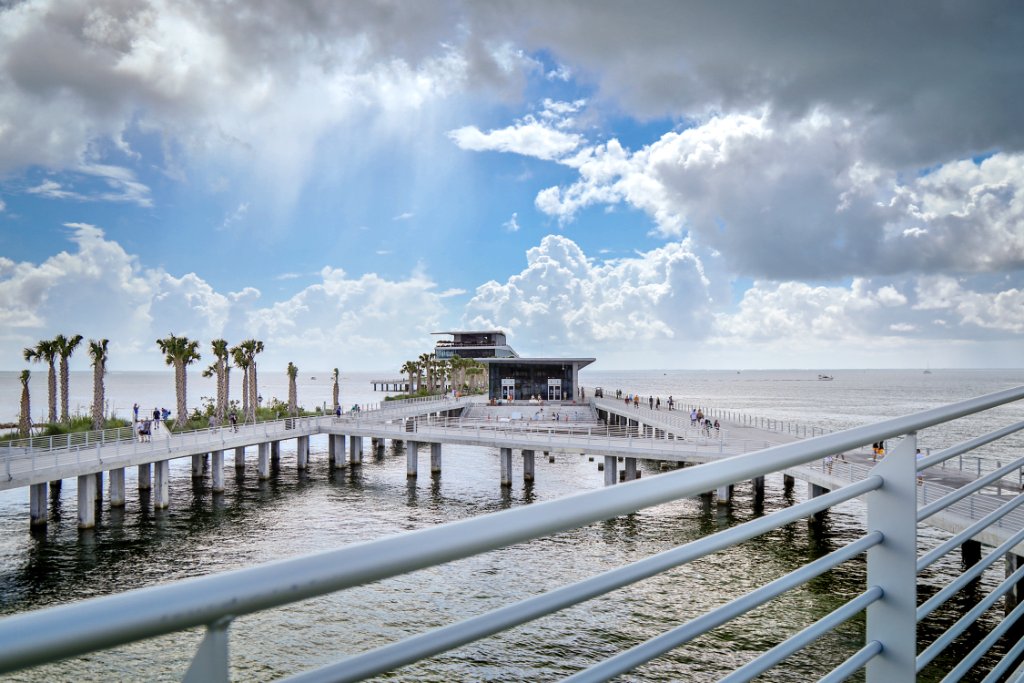
Best Photography Locations in St. Petersburg, Florida
St. Petersburg offers stunning venues for photography—from iconic waterfronts to historic architecture. Here are the best locations.